How real-time treasury transforms EMI safeguarding

By Veikko Koski, Co-Founder, FinanceKey
For most businesses, treasury is about optimising liquidity. For Electronic Money Institutions (EMIs), it’s also about staying compliant. Safeguarding client funds, maintaining accurate e-money liability coverage, and keeping a clean audit trail aren’t best practices – they’re regulatory obligations.
EMIs operate under regulatory frameworks that require demonstrable, auditable safeguarding controls, making the quality and timeliness of treasury data a compliance consideration, not just an operational one.
That’s what makes EMIs one of the clearest beneficiaries of real-time treasury infrastructure.
From manual checks to continuous validation
A core daily task for EMIs is verifying that safeguarding is complete – that the funds held in safeguarding accounts fully match the change in e-money liabilities.
Traditionally, this process has been highly manual: logging into multiple e-banking platforms, checking whether expected transfers have been executed, exporting balances into spreadsheets, and reconciling positions by hand. It’s time-consuming, error-prone, and difficult to audit.
With real-time treasury infrastructure, this process becomes continuous rather than periodic:
- All safeguarding accounts are monitored automatically
- Balance checks are performed in real time
- Transfers are tracked and validated instantly
- The system confirms whether the expected movement in funds aligns with underlying transaction activity.
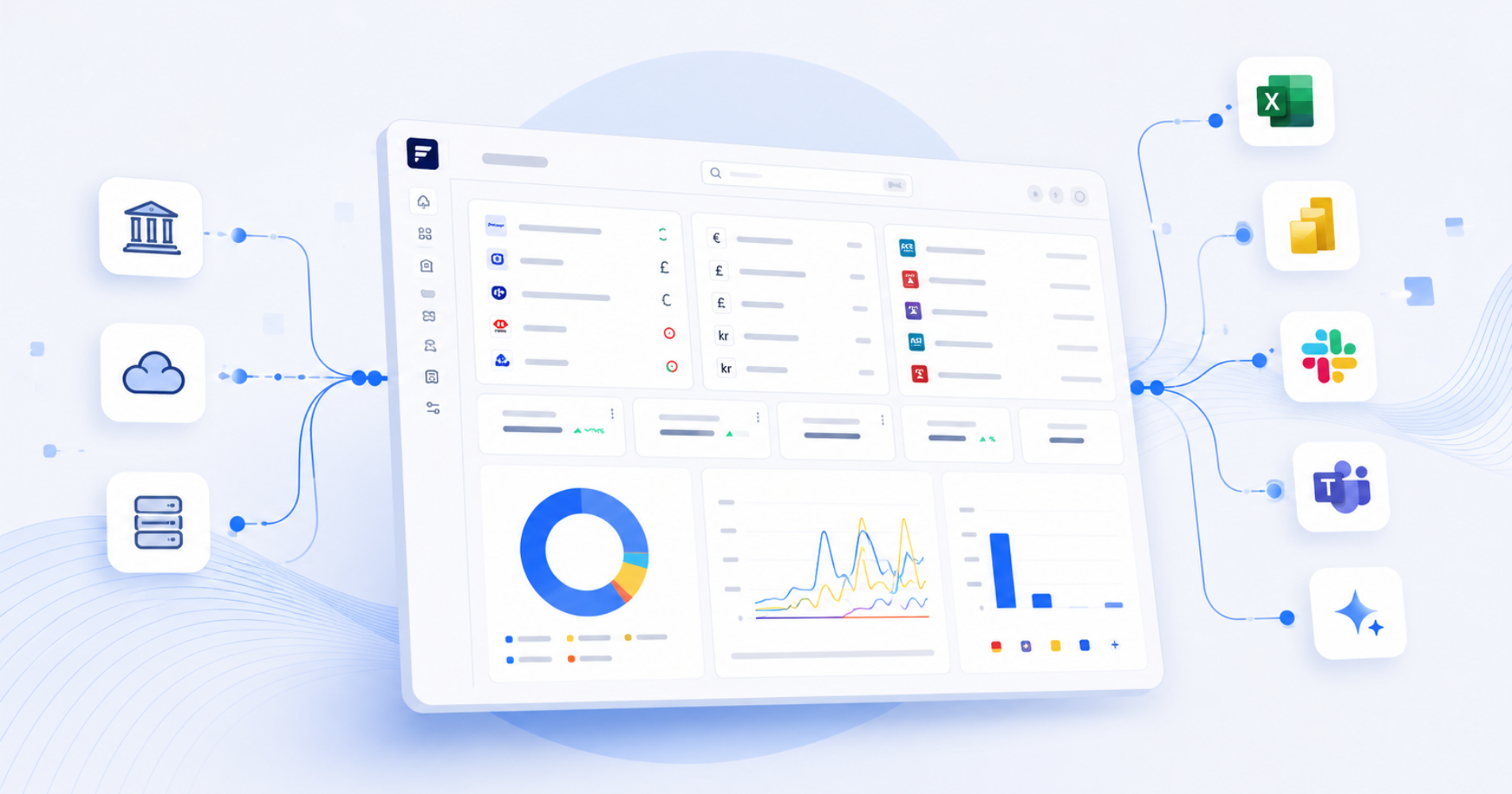
Instead of manually stitching together data, teams can rely on a single system view:
- If balances match expected liabilities, validation is “green”
- If not, discrepancies are immediately visible and actionable.
The result is not just time savings but building accurate, real-time reporting to fulfil compliance requirements – being confident accounts reconcile.
Case study
Paysafe centralises bank account management with FinanceKey
FinanceKey brought compliance, automation and collaboration together under one platform to handle complexity at scale.

Real-time visibility into safeguarding flows
Safeguarding flows in EMIs are dynamic by nature – driven by end-customer transaction activity.
This creates constant movement:
- Funds flowing into safeguarding accounts as customers load or receive money
- Funds flowing out as payments are executed
Real-time treasury enables EMIs to:
- Track these inflows and outflows as they happen
- Understand exactly how much should be moving at any point in time
- Ensure that safeguarding positions are always aligned with actual activity.
This removes the lag between operational events and treasury visibility – a critical gap in traditional setups.
Automating client funding and allocation
Client funding and allocation is another area where manual processes create unnecessary overhead. In many EMIs today, clients send lump-sum payments to funding accounts, and operations teams manually review incoming transactions, verify receipts, and allocate funds to individual customer positions based on transaction narratives or reference codes.
With real-time treasury:
- Incoming transactions are captured instantly
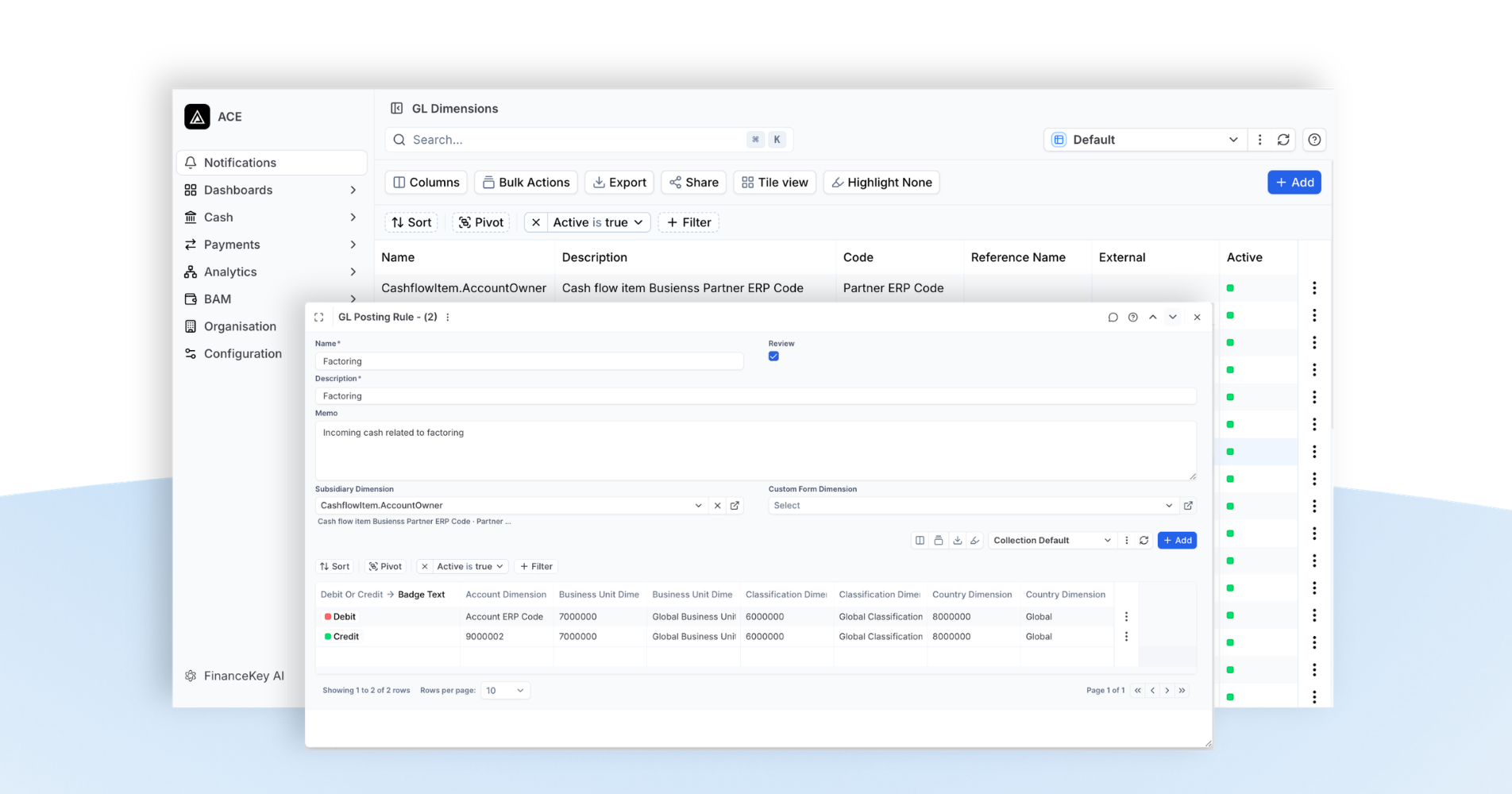
- Allocation logic (e.g. based on transaction narratives or codes) can be applied automatically
- Funds can be assigned to the correct customer positions without manual intervention.
This enables real-time allocation, replacing batch processes that might otherwise run only once or twice per day.
Always up-to-date e-money and float positions
One of the most important outcomes is that reporting is no longer tied to specific checkpoints.
Instead:
- E-money liability reports are always up to date
- Float positions reflect reality at any given moment
- As soon as funding is received or sent, positions are updated.
This has several implications:
- Better internal decision-making (no reliance on stale data)
- Stronger compliance posture (continuous rather than periodic assurance)
- Reduced operational workload (less reconciliation, fewer manual checks).
In short: EMIs operate in an environment where accuracy, timeliness, and auditability are non-negotiable. Real-time treasury transforms safeguarding from a manual, end-of-day control into a continuous, automated process – making it one of the highest-impact use cases for real-time infrastructure.
Interested in how FinanceKey supports EMI treasury operations? Book a demo today.
This article is for informational purposes only and does not constitute legal or compliance advice. EMIs should consult their legal and compliance advisors regarding their specific regulatory obligations.